Are your credit card bills piling up, making it hard to keep track or stay on top of payments? You’re not alone—and there’s a solution designed just for you: a credit card consolidation service.
Imagine turning multiple high-interest payments into a single, manageable monthly bill with lower interest rates. This could ease your financial stress, save you money, and help you regain control over your finances faster than you think. You’ll discover how credit card consolidation works, the benefits it offers, and key tips to choose the right service for your situation.
Keep reading to find out how you can simplify your debt and start building a brighter financial future today.
What Credit Card Consolidation Means
Credit card consolidation means combining many credit card debts into one. This helps make payments easier and more organized. Instead of paying multiple bills, you pay one bill each month.
This service usually involves taking out a single loan to pay off all credit cards. The loan often has a lower interest rate than credit cards. This can save money on interest and reduce monthly payments.
Some companies help by working with creditors to reduce your interest rates. They also try to remove late fees and make one monthly payment plan. This helps people who struggle with high credit card bills.
Consolidation can improve your budget and reduce stress. But it is important to choose the right service and understand the terms before starting.
.png)
How Consolidation Works
Single Loan Payoff means getting one loan to pay off all credit cards. This loan has a fixed interest rate and one monthly payment. Popular lenders include LightStream, SoFi, and Discover. It helps simplify payments and often lowers interest costs.
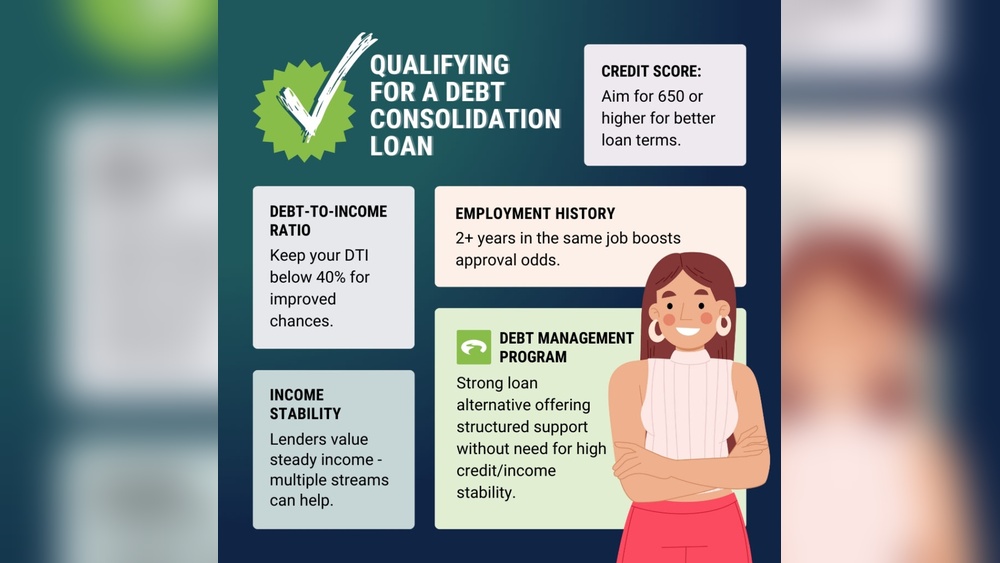
Debt Management Plans involve working with a credit counseling agency. They talk to creditors to reduce interest rates and combine payments. Agencies like Consolidated Credit and InCharge Debt Solutions help people manage debt without perfect credit. This plan is good for those with financial struggles and high credit card rates.
Home Equity Options let homeowners borrow against their house value to pay off debts. This option usually offers very low interest rates. But the house is collateral, so missed payments risk losing the home. Sites like MyCreditUnion.gov provide more details.
Top Lenders And Services
LightStream, SoFi, and Discover are popular lenders for credit card consolidation. They offer fixed interest rates and predictable monthly payments. These loans do not have introductory periods, which helps in planning budgets. LightStream is known for fast approval and low rates. SoFi provides additional perks like financial advice. Discover offers flexible terms and customer support.
Non-Profit Agencies like Consolidated Credit and InCharge Debt Solutions help people struggling financially. They work by negotiating lower interest rates and combining debts into one payment. These agencies do not require perfect credit and can also waive late fees. They provide budget counseling to improve money management.
Credit Unions such as those listed on MyCreditUnion.gov offer loans with very low interest rates. These loans often use your home equity as collateral. While the rates are lower, missing payments could risk foreclosure. Credit unions are great for homeowners who want to reduce debt costs safely.
Benefits Of Consolidation
Lower interest rates help reduce the total money you pay. This means more of your payments go toward the debt itself, not just fees. Consolidation can turn several high-rate cards into one loan with a better rate.
Simplified payments make managing money easier. Instead of tracking many due dates and amounts, you make one monthly payment. This lowers the chance of missing payments and adds peace of mind.
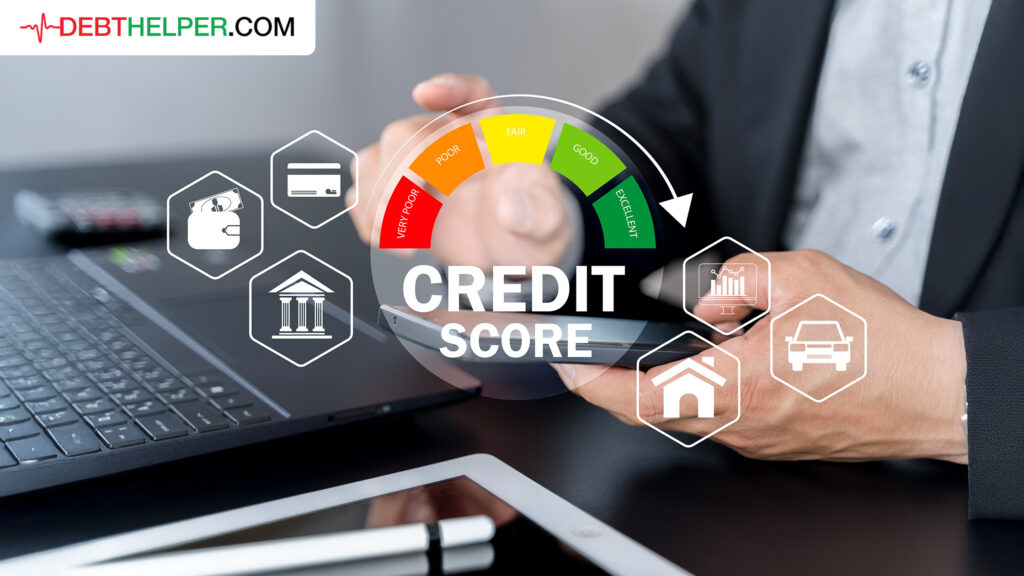
Credit score impact varies but can improve over time. Paying one loan on time shows lenders you manage debt well. Consolidation may lower your credit utilization ratio, which helps boost your score.
Potential Risks
Using your home as collateral can be very risky. If payments are missed, you could lose your home. This makes credit card consolidation with a home loan dangerous for many.
Fees and charges may add up quickly. Some services have hidden fees or high upfront costs. These extra charges can make your debt even harder to pay off.
Your credit score might change after consolidation. Applying for new loans can cause a temporary drop in your credit score. Late payments or missed payments on the new loan will also hurt your credit.

Who Should Consider It
High interest rate cardholders often pay more each month. Consolidation helps by combining debts into one with a lower rate. This can reduce monthly payments and save money over time.
Financial struggles make it hard to keep up with many payments. A consolidation service can simplify bills into a single payment. This ease helps avoid missed payments and late fees.
Homeowners with equity might use their home’s value to get a loan with a lower interest rate. This can be cheaper than credit card rates. But, the home is at risk if payments are missed.
Steps To Get Started
Soft pulls check your credit without hurting your score. They help find better loan rates. Many lenders offer soft pulls to show potential offers before applying.
Compare loan offers by looking at interest rates, fees, and payment terms. Choose the loan with the lowest cost and easiest payback plan.
Credit counselors can help create a budget and plan to pay off debt. They negotiate with creditors to reduce interest rates and fees. Working with a counselor can make consolidation easier and less stressful.
Tips For Managing Debt After Consolidation
Creating a budget is key to controlling your money after consolidation. Track your income and expenses carefully. Allocate funds to essentials first, like rent, food, and utilities. Set aside money for your debt payments to avoid missed due dates.
Avoid new debt by using cash or debit cards instead of credit cards. Resist the urge to buy things you do not need. Focus on paying off your consolidation loan before adding new credit.
Check your credit reports regularly to spot errors or signs of fraud. Use free services to monitor your credit score changes. This helps you stay aware of your financial health and progress.
Frequently Asked Questions
Does Credit Consolidation Hurt Credit Score?
Credit consolidation may cause a slight, temporary dip in your credit score due to credit inquiries and new accounts. Timely payments on the consolidated loan can improve your score over time. It does not inherently hurt your credit if managed responsibly.
How To Pay Off $30,000 In Debt In 1 Year?
Create a strict budget, increase income, and cut expenses. Use debt consolidation or negotiate lower interest rates. Pay more than minimum monthly payments consistently.
What Is The Best Company To Consolidate Your Credit Cards?
Top companies for credit card consolidation include SoFi, Discover, and LightStream, offering fixed rates and predictable payments. Non-profits like Consolidated Credit and InCharge Debt Solutions help lower interest rates and combine debts. Homeowners may consider MyCreditUnion. gov for low-rate secured loans.
Is It Possible To Get A $20,000 Loan For Debt Consolidation?
Yes, you can get a $20,000 loan for debt consolidation. Approval depends on credit score and income. Shop lenders like SoFi or Discover for competitive rates.
Conclusion
Choosing a credit card consolidation service can simplify your payments. It helps reduce stress and may lower your interest rates. Make sure to compare options before deciding. Check fees, terms, and customer reviews carefully. Remember, consistent payments improve your credit over time.
A clear plan leads to better financial control. Take small steps to manage debt wisely and stay on track.
Read More
- Debt Management Plan Cost: What You Need to Know Today
- Secured Card Credit Building: Boost Your Score Fast and Safely
- Credit Dispute Removal Service: Boost Your Credit Score Fast
- Identity Theft Credit Protection: Essential Tips to Stay Secure
- Late Payment Removal Letter: Proven Tips to Boost Your Credit Score
- Credit Score Tracking App: Boost Your Financial Health Fast
- 0 Apr Credit Card Offers: Unlock Big Savings Today!
- Premium Travel Card Benefits: Unlock Exclusive Perks & Savings
- Debt Relief Program Quotes: Unlock Savings with Top Offers Today
- Credit Restoration Consultation: Boost Your Score Fast & Easy