Imagine waking up one day to find charges on your credit card you never made or loans taken out in your name without your knowledge. It’s a frightening reality that can happen to anyone—identity theft.
But here’s the good news: you don’t have to face this threat alone. Protecting your credit from identity theft is not just smart; it’s essential. You’ll discover simple, effective ways to shield your personal information and keep your credit safe.
Stay with us to learn how you can take control and defend your financial future before it’s too late.

How Identity Theft Happens
Identity theft occurs when someone steals your personal information. Thieves use many tricks to get this data. Common methods include phishing emails that trick you into sharing details and stealing mail to grab sensitive documents. They may also use skimming devices on ATMs or gas pumps to copy your card information.
There are several types of identity theft. Financial theft happens when someone uses your credit cards or bank accounts. Medical identity theft involves using your health insurance information. Criminal identity theft is when someone gives your name to police during an arrest.
| Type | Description |
|---|---|
| Financial | Using your credit or bank info to steal money |
| Medical | Using your health details for medical benefits or care |
| Criminal | Using your identity during legal trouble or arrest |
Social Security Number (SSN) theft is very risky. Thieves can open bank accounts or get loans in your name. It can harm your credit score and cause legal problems. Protect your SSN by not sharing it unless necessary.
Credit Monitoring Services
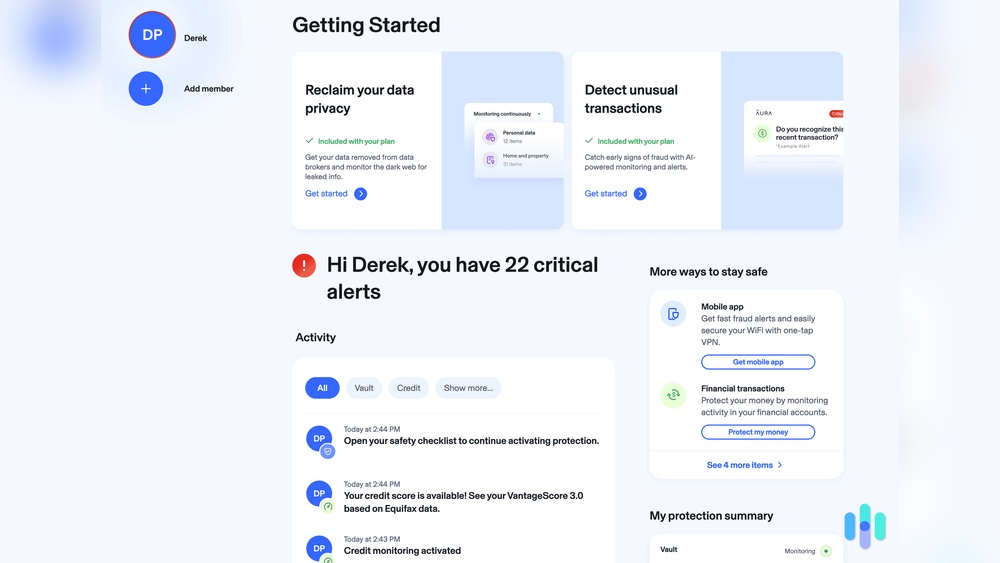
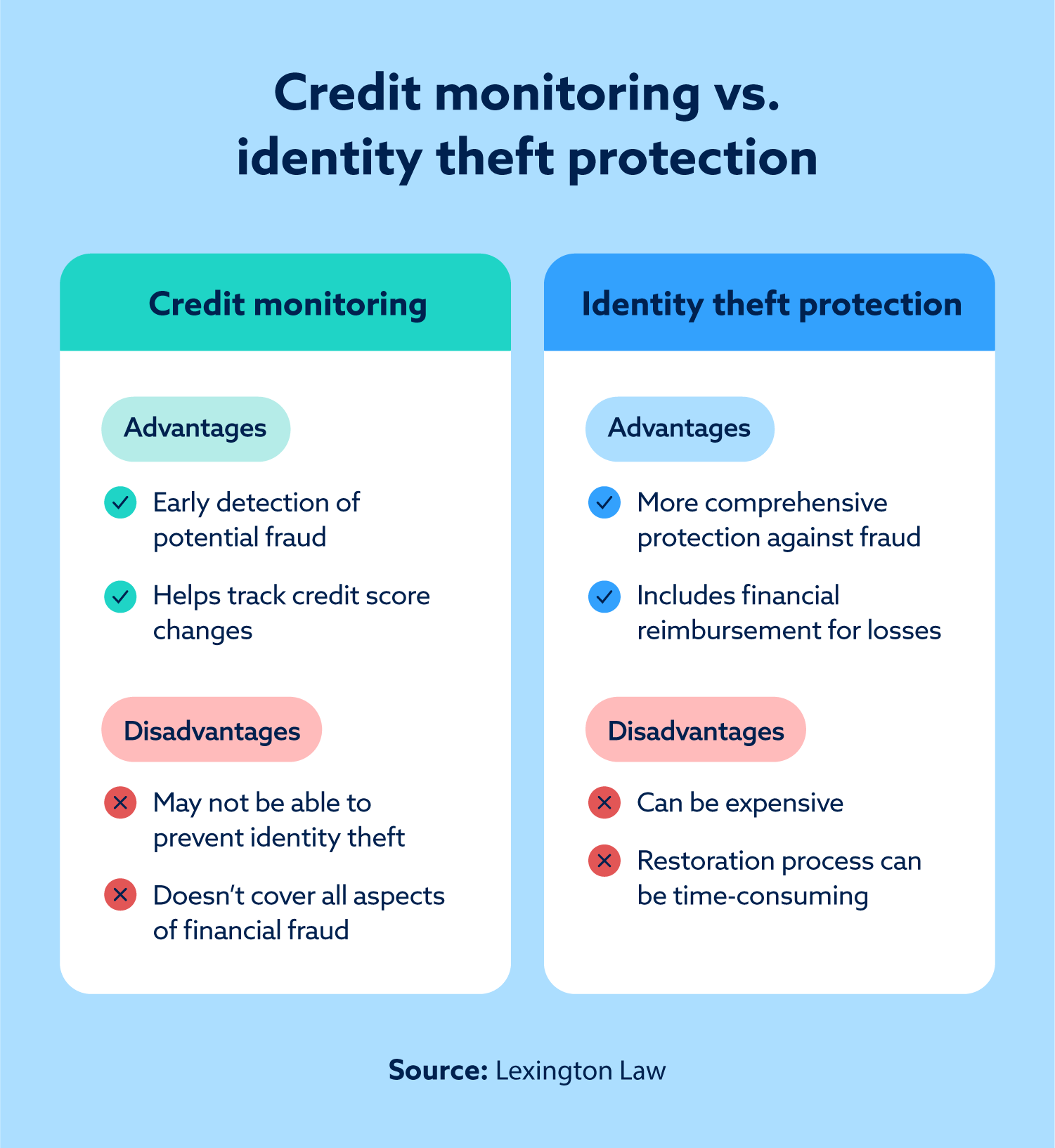
Credit monitoring services help detect suspicious activities fast. Good services offer real-time alerts, monthly credit report checks, and identity theft insurance. Look for features like fraud alerts and credit score tracking too.
Top providers include Experian, Equifax, and IdentityForce. They provide reliable monitoring and support. Choose a provider with a good reputation and easy-to-use tools.
| Feature | Paid Services | Free Services |
|---|---|---|
| Alerts | Instant alerts for all changes | Basic alerts, often delayed |
| Credit Reports | Monthly full credit reports | Limited or no reports |
| Identity Insurance | Included with many plans | Not available |
| Customer Support | 24/7 expert help | Limited or no support |
Fraud Alerts And Credit Freezes
Fraud alerts warn lenders to verify identity before giving credit. They last 90 days and can be renewed. Alerting credit bureaus helps catch suspicious activity early.
To place a credit freeze, contact each credit bureau: Equifax, Experian, and TransUnion. Provide your name, address, Social Security number, and date of birth. The freeze stops new credit accounts from opening without your approval.
| Step | Action |
|---|---|
| 1 | Contact each credit bureau online, by phone, or mail |
| 2 | Provide required personal information |
| 3 | Receive confirmation and PIN or password |
| 4 | Keep PIN or password safe for future access |
Lifts or removals of fraud alerts and freezes happen when you want to apply for credit. Removing protections is quick once you use your PIN or password. Temporary lifts allow credit checks without fully removing the freeze.
Preventive Habits To Stay Secure
Use strong passwords with letters, numbers, and symbols. Change them often. Avoid using the same password for many accounts. Always log out from websites, especially on public computers. Use two-factor authentication when available. It adds an extra layer of security.
Keep personal information like your Social Security number and bank details private. Share them only on trusted sites. Do not give out details over phone or email unless you are sure who you are talking to. Shred papers with sensitive information before throwing them away.
Watch for phishing emails or messages. These try to steal your information by pretending to be real companies. Do not click on strange links or download attachments from unknown sources. Look for spelling mistakes or odd requests in messages. If unsure, contact the company directly using known phone numbers.
Responding To Identity Theft
Report identity theft immediately to the police and credit bureaus. File a report with the Federal Trade Commission at IdentityTheft.gov. This creates a record and helps stop further damage.
Next, recover your credit by contacting each credit bureau. Place a fraud alert or credit freeze to block new accounts. Check your credit reports for any suspicious activity and dispute errors.
Seek legal and financial support if needed. Some lawyers specialize in identity theft cases. Credit counselors can guide you through debt and credit repair. Keep all records and communications organized for reference.
Tools For Family And Tax Identity Protection
Protecting minors’ identities is crucial as children are easy targets for identity theft. Parents should monitor credit reports and place fraud alerts for their kids. Using credit freezes stops unauthorized credit checks. Keep children’s personal data safe and avoid sharing their Social Security numbers unnecessarily.
Tax identity theft prevention involves watching for unusual tax return activity. The IRS offers an Identity Protection PIN (IP PIN) to prevent fraudulent tax filings. Filing taxes early also helps reduce risks. Always use secure methods to submit tax information and check IRS notices carefully.
Ransomware recovery services help restore access after cyberattacks. These services assist in recovering encrypted files safely. They also provide guidance to avoid paying ransoms and improving future security. Regular data backups and strong passwords are key defenses against ransomware threats.
Frequently Asked Questions
How Do I Protect My Credit After Identity Theft?
Place a fraud alert and freeze your credit reports immediately. Monitor your accounts regularly. Report identity theft to credit bureaus and the FTC. Change passwords and secure personal information to prevent future fraud.
What Is The Best Credit And Identity Theft Protection?
The best credit and identity theft protection includes services like IdentityForce Ultra Secure+Credit and LifeLock. Use credit monitoring, fraud alerts, and credit freezes to prevent fraud. Choose plans offering comprehensive monitoring, alerts, and recovery assistance for strong protection.
Is It Worth Paying For Identity Theft Protection?
Paying for identity theft protection can save money and stress by monitoring credit and alerting suspicious activity early. It helps prevent financial loss and simplifies recovery.
What Does Dave Ramsey Recommend For Identity Theft Protection?
Dave Ramsey advises placing a credit freeze and fraud alerts to protect your identity. He also recommends monitoring your credit regularly.
Conclusion
Protecting your credit from identity theft is crucial today. Regularly check your credit reports for unusual activity. Use credit freezes or fraud alerts to block unauthorized access. Choose protection services that fit your needs and budget. Stay informed about the latest scams and tactics.
Taking simple steps can save you from big problems later. Your identity deserves strong, ongoing protection every day. Don’t wait until damage happens—act now to secure your credit.
Read More
- Debt Management Plan Cost: What You Need to Know Today
- Credit Card Consolidation Service: Simplify Debt and Save Today
- Secured Card Credit Building: Boost Your Score Fast and Safely
- Credit Dispute Removal Service: Boost Your Credit Score Fast
- Late Payment Removal Letter: Proven Tips to Boost Your Credit Score
- Credit Score Tracking App: Boost Your Financial Health Fast
- 0 Apr Credit Card Offers: Unlock Big Savings Today!
- Premium Travel Card Benefits: Unlock Exclusive Perks & Savings
- Debt Relief Program Quotes: Unlock Savings with Top Offers Today
- Credit Restoration Consultation: Boost Your Score Fast & Easy