Have you ever noticed a late payment on your credit report that just doesn’t seem fair? Maybe it was a one-time slip-up during a tough month, or a billing error that slipped through the cracks.
Whatever the reason, that single late payment can drag down your credit score and stand in the way of your financial goals. But here’s the good news—you don’t have to accept it as permanent. Writing a late payment removal letter could be your key to getting that negative mark wiped away.
You’ll learn exactly how to craft a powerful letter that speaks directly to your creditor, increasing your chances of success. Ready to take control of your credit and open the door to better opportunities? Keep reading, because we’re about to show you the proven steps that can make a difference.
What Is A Late Payment Removal Letter
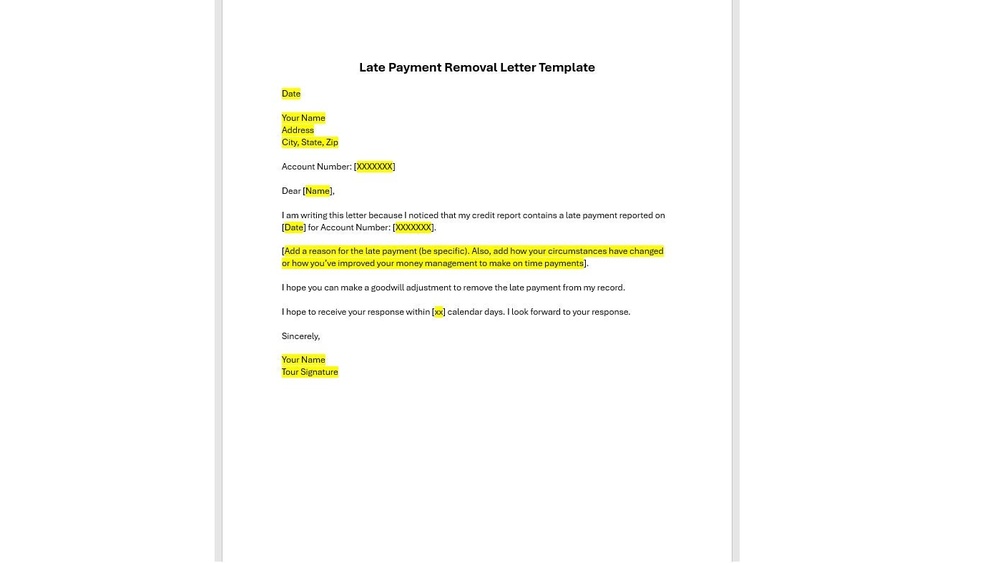
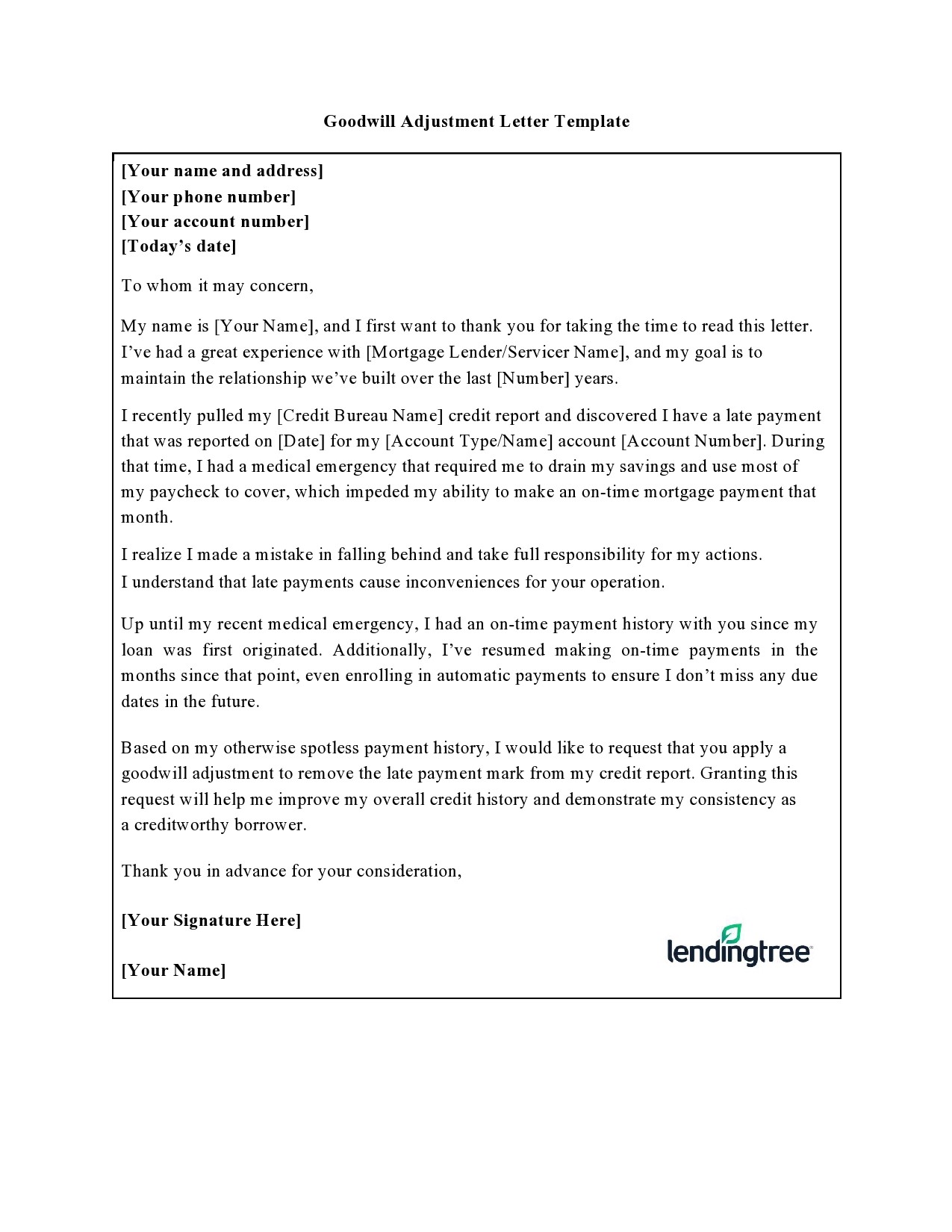
A late payment removal letter is a written request sent to a creditor or credit bureau. It asks for the removal of a late payment from your credit report. Such a letter explains why a payment was late and often promises to pay on time in the future.
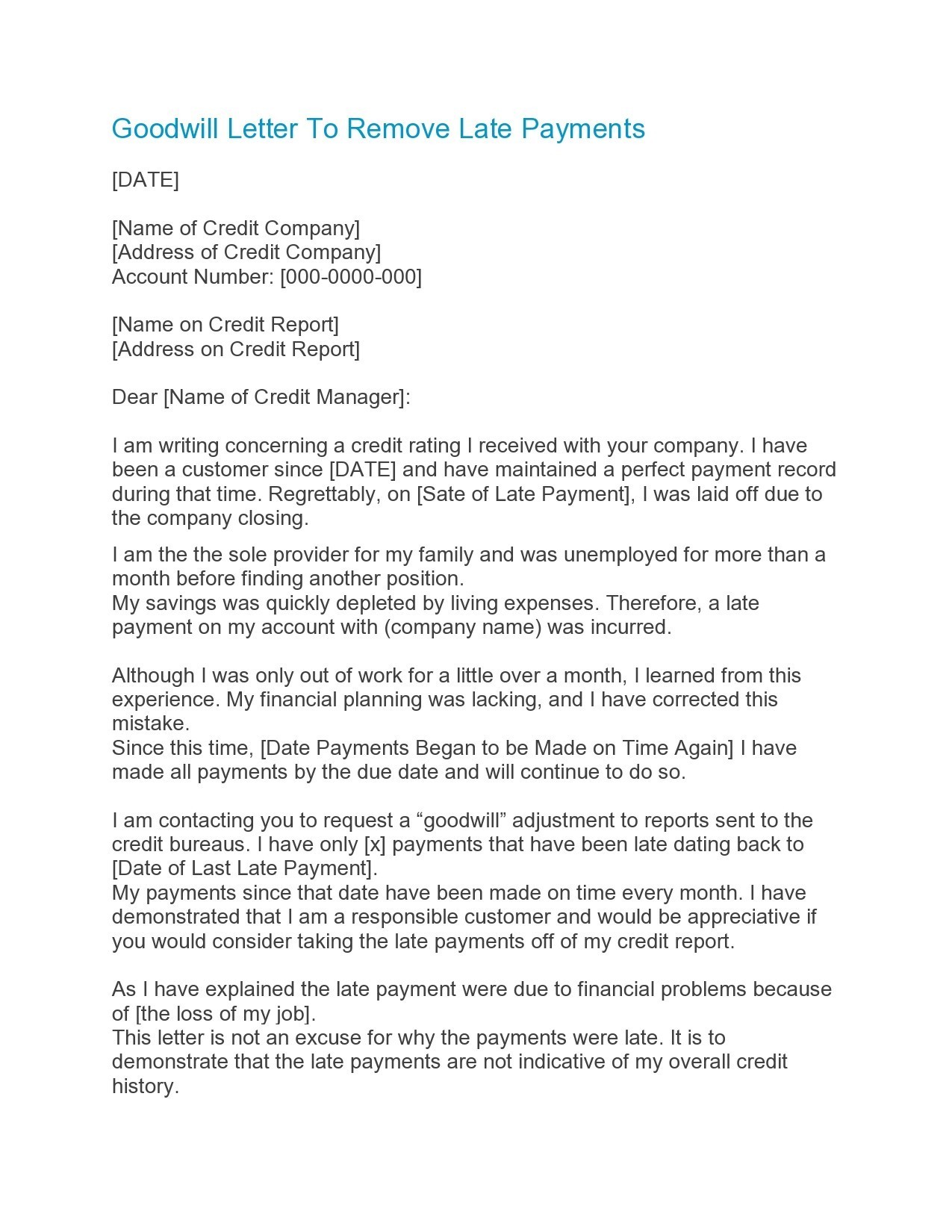
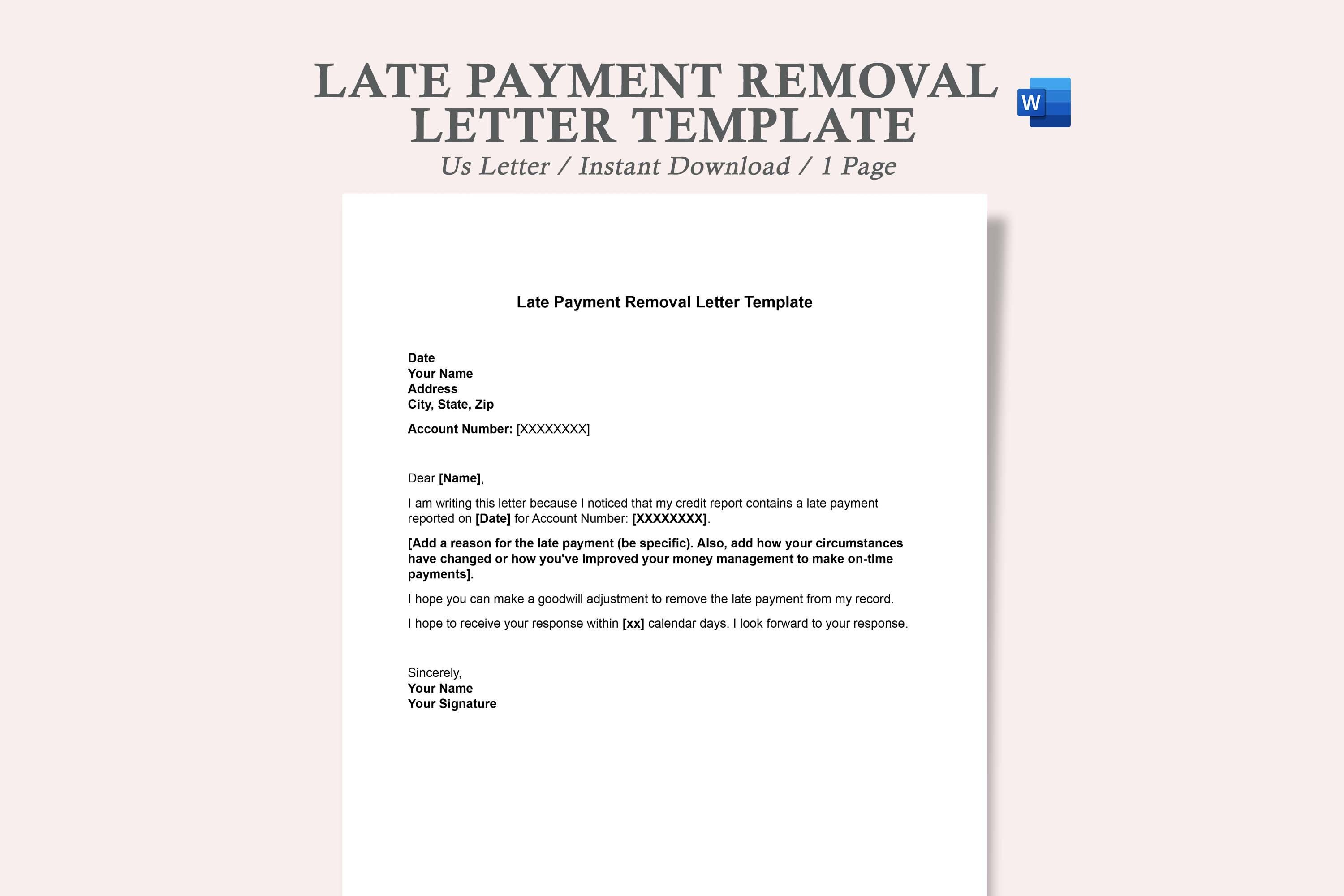
This letter can help improve your credit score by removing negative marks. It usually includes details like your account number, the date of the late payment, and a polite request for goodwill adjustment.
To increase chances of success, mention any temporary hardship that caused the late payment. Also, highlight your good payment history before and after the incident.
Sending the letter via certified mail ensures it reaches the creditor and you get proof of delivery. Keep copies of all correspondence for your records.
When To Use A Removal Letter
Use a late payment removal letter when a late payment shows on your credit report. This letter asks the creditor to remove the mark. It works best if the late payment was a one-time mistake. Explain the reason for the late payment, like a short-term problem. Show that you paid on time before and after the mistake. This helps prove you are a good customer.
Send the letter if you have a long-term relationship with the creditor. Be polite and clear. State your account details and the date of the late payment. Ask kindly for a goodwill adjustment to remove the negative mark. Use certified mail to track the letter. Keep a copy for your records.
Goodwill Letter Strategy
A polite request is key in a goodwill letter. Use respectful language. Clearly ask for late payment removal. Avoid blaming or demanding.
Explain your hardship briefly. Mention specific reasons like job loss or illness. Show this was a one-time problem. This helps the creditor understand your situation.
Highlight your payment history. Point out months or years of on-time payments. This shows you are usually responsible. It builds trust and increases chances of removal.
Dispute Letter Approach
Start by carefully checking your credit report. Look for any wrong late payments listed. These errors can hurt your score unfairly. Write down each mistake with details like dates and amounts.
Collect proof that shows the errors. This might include bank statements, payment receipts, or letters from your lender. Keep these documents safe. They will help you support your dispute.
Send your dispute to all three credit bureaus: Equifax, Experian, and TransUnion. Use their online forms, mail, or phone. Clearly state the errors and attach your evidence. Ask them to investigate and fix the mistakes.
Key Elements Of An Effective Letter
Clear contact information helps the creditor reach you quickly. Include your full name, address, phone number, and email. This avoids delays in processing your request.
Provide detailed account information such as the account number and the date of the late payment. This helps the creditor identify the exact issue.
Use a concise explanation to describe why the payment was late. Keep it honest and simple, like mentioning a temporary financial problem. Promise to pay on time in the future.
Tips For Sending Your Letter
Using certified mail helps ensure your letter reaches the creditor safely. It provides proof of delivery that you can track online. Always keep the receipt and tracking number for your records. This shows you took formal steps to correct the issue.
Following up with creditors is key after sending your letter. Wait about two weeks, then call or email to check the status. Be polite but firm. Keep notes of all conversations, including dates and names. This shows persistence and keeps your case active.
Escalating to executives can help if initial attempts fail. Ask to speak with a supervisor or manager. Explain your situation clearly and calmly. Sometimes higher-ups have more power to remove late payments. Persistence and respectful communication often lead to better results.
Common Mistakes To Avoid
Common errors often weaken a late payment removal letter. Avoid vague reasons for missed payments. Clear explanations show honesty and responsibility.
Do not forget to include essential details like your account number and contact information. Missing these can delay or nullify the request.
Avoid aggressive or demanding tones. Polite language increases chances for a positive response. Keep sentences short and direct.
Proofread the letter carefully. Spelling mistakes or unclear phrases reduce professionalism. Use simple words for better understanding.
Sending the letter via certified mail ensures proof of delivery. Always keep a copy for your records.
How Removal Impacts Your Credit Score
Removing a late payment can improve your credit score. Late payments stay on your report for up to seven years. Their removal means your score can rise faster. Credit scores consider payment history as a major factor. A good payment history shows you pay on time. This builds trust with lenders.
Once a late payment is removed, the negative mark disappears. This helps your credit profile look cleaner. It may also lower your credit risk in the eyes of banks. This can lead to better loan offers and lower interest rates.
Note that not all removals cause the same score increase. The age and severity of the late payment matter. Older or one-time late payments have less impact than recent or repeated ones.
Additional Credit Repair Tips
Check your credit report regularly for mistakes. Errors can lower your score unfairly.
Write dispute letters to credit bureaus if you find wrong late payments. Explain clearly why the payment is incorrect.
Keep good payment habits by paying bills on time. Set reminders or automatic payments to avoid late fees.
Use goodwill letters to ask creditors politely for late payment removal. Mention your good history and reasons for the mistake.
Limit new credit applications to avoid many hard inquiries. Too many requests can hurt your credit score.
| Tip | Why It Helps |
|---|---|
| Review Credit Report | Find and fix errors that lower your credit score |
| Dispute Incorrect Late Payments | Remove wrong information that hurts credit |
| Pay On Time | Builds strong credit and avoids penalties |
| Send Goodwill Letters | May remove late marks if you show good history |
| Limit New Credit Requests | Prevents multiple hard pulls that reduce score |
Frequently Asked Questions
Do 609 Letters Actually Work?
609 letters, or goodwill letters, sometimes work by politely requesting creditors to remove late payments. Success depends on the creditor’s discretion and your payment history. They do not guarantee removal but can help if you explain hardships and maintain good credit behavior.
How Do I Request A Late Payment Be Removed?
Write a goodwill letter to your creditor explaining the late payment reason and request removal. Send it via certified mail for proof. Dispute errors with credit bureaus if incorrect. Maintain timely payments to improve chances of removal.
How To Write A Proper Late Payment Dispute Letter?
Write a clear letter including your name, account number, and contact details. Explain why the payment was late briefly. Request removal politely, emphasizing your good payment history. Send it to the creditor via certified mail for proof. Keep sentences direct and respectful.
What Is A 609 Letter To Remove Debt?
A 609 letter requests credit bureaus to verify debt accuracy under Section 609 of the Fair Credit Reporting Act. It challenges incorrect or unverifiable debts to remove them from credit reports.
Conclusion
Writing a clear late payment removal letter can improve your credit score. Explain your situation honestly and politely. Show you have a good payment history except for this one mistake. Request the creditor to remove the late payment as a goodwill gesture.
Keep your letter simple and to the point. Sending it by certified mail helps track delivery. Be patient and follow up if needed. A well-written letter can make a positive difference in your credit report. Take control of your credit by addressing late payments promptly.
Read More
- Debt Management Plan Cost: What You Need to Know Today
- Credit Card Consolidation Service: Simplify Debt and Save Today
- Secured Card Credit Building: Boost Your Score Fast and Safely
- Credit Dispute Removal Service: Boost Your Credit Score Fast
- Identity Theft Credit Protection: Essential Tips to Stay Secure
- Credit Score Tracking App: Boost Your Financial Health Fast
- 0 Apr Credit Card Offers: Unlock Big Savings Today!
- Premium Travel Card Benefits: Unlock Exclusive Perks & Savings
- Debt Relief Program Quotes: Unlock Savings with Top Offers Today
- Credit Restoration Consultation: Boost Your Score Fast & Easy