Struggling with mounting debt can feel overwhelming, and you might be wondering if a Debt Management Plan (DMP) is the right solution for you. One of the biggest questions on your mind is likely, “What will a Debt Management Plan cost me?” Understanding these costs is crucial before making any decisions that affect your financial future.
You’ll get a clear, straightforward breakdown of the typical fees involved in a DMP, how these costs can vary, and whether the investment could actually save you money in the long run. Keep reading to discover how a DMP might help you take control of your debt without hidden surprises.
Your path to financial freedom could start here.
Debt Management Plan Basics
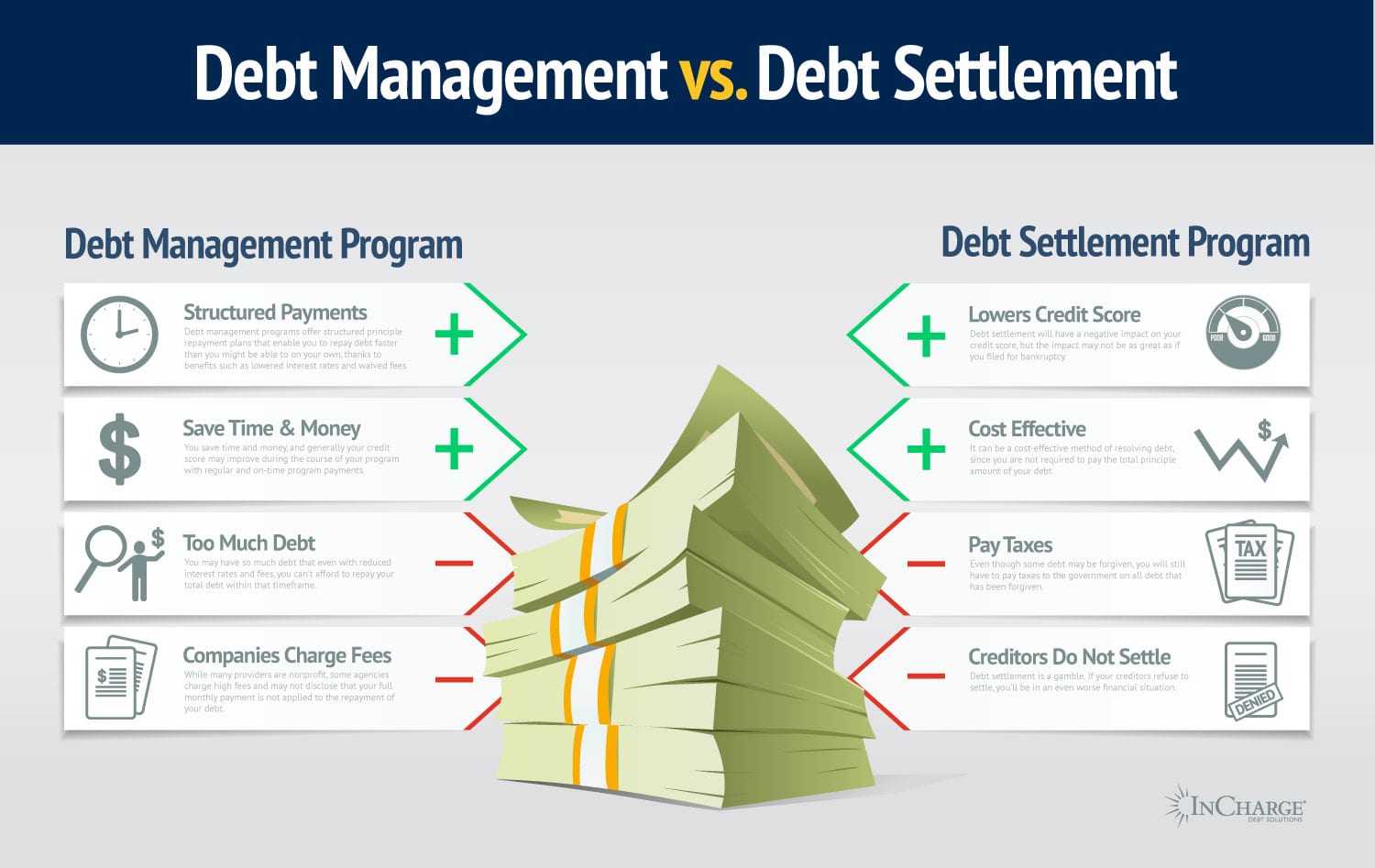
A Debt Management Plan (DMP) helps you pay off unsecured debts like credit cards. It covers your total debt by working with creditors to lower interest rates and fees. You pay one monthly amount to a credit counseling agency. The agency then pays your creditors for you.
A DMP works by evaluating your budget and debts first. A counselor creates a plan that fits your income. You make monthly payments to the agency instead of multiple creditors. This simplifies your finances and can reduce stress. Most plans last three to five years.
Common Fees And Charges
Setup fees are usually a one-time charge to start a Debt Management Plan. These fees cover the cost of creating your plan and contacting your creditors. Setup fees often range from $0 to $50, depending on the agency.
Monthly service fees are charged each month while you are in the plan. These fees help cover the cost of managing your payments and negotiating with creditors. They typically range from $20 to $50 per month.
Some agencies offer fee waivers or reductions for people with low income or financial hardship. This means you may pay less or no fees at all. Always ask if fee waivers are available before signing up.
Cost Variations By Location
Debt management plan costs can vary greatly by state. Each state has different rules and fees for these plans. Some states allow agencies to charge higher setup fees, while others keep fees low or even waive them for low-income clients.
The amount of debt you owe also affects the cost. Generally, the larger your debt, the higher the fees might be. This is because the agency must manage more accounts and payments.
Many agencies charge a one-time setup fee plus a monthly fee. These fees usually range from $20 to $75 per month. Some nonprofits offer free initial counseling to help you understand your options.
Nonprofit Agencies To Consider
Money Management International (MMI), GreenPath Financial Wellness, and Consolidated Credit are trusted nonprofit agencies. They help people manage debts with clear plans. Each agency offers free initial counseling to review your budget and debts.
Fees depend on your state and how much debt you have. Many agencies can reduce or waive fees if income is low. These agencies work to create a plan that fits your budget and helps you pay off debts faster.
| Agency | Key Service | Fee Info |
|---|---|---|
| Money Management International | Debt management plans and counseling | Free initial counseling; fees may vary |
| GreenPath Financial Wellness | Debt management and financial wellness | One-time setup fee; monthly fees based on debt |
| Consolidated Credit | Credit counseling and debt plans | Free consultation; fee waivers available |
Potential Savings With A Debt Management Plan
Lower interest rates help reduce the total amount you owe. Many creditors agree to cut rates when you join a debt management plan. This can save hundreds or even thousands of dollars over time.
Simplified payments mean you only make one monthly payment. The credit counseling agency sends money to your creditors. This makes managing debt easier and less stressful.
Faster debt payoff happens because more money goes toward the principal balance. Without extra interest charges, debts shrink quicker. You can be free of debt in a shorter time.
Who Should Use A Debt Management Plan
A Debt Management Plan (DMP) suits people struggling with multiple debts. It helps by combining debts into one monthly payment. This plan is best for those with steady income but who cannot pay all debts at once.
Qualifying financial situations include having credit card debts, personal loans, or medical bills. DMPs are useful when interest rates are high and monthly payments feel overwhelming. A credit counselor will review your finances before suggesting a plan.
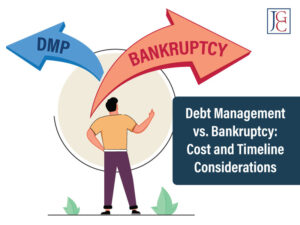
Some should avoid DMPs. Those with very low income might not benefit, as they may not afford monthly payments. Also, if debts include secured loans like mortgages or car loans, DMPs are not suitable. Bankruptcy could be a better option for some.
Alternatives To Debt Management Plans
Debt settlement lets you pay less than you owe by negotiating with creditors. It may harm your credit score and often includes fees. This option suits those who can’t pay their full debt but want to avoid bankruptcy.
Credit counseling provides guidance from experts to help manage money and debts. Counselors create a budget and suggest plans, sometimes including a debt management plan. This service often costs little or nothing and helps improve money habits.
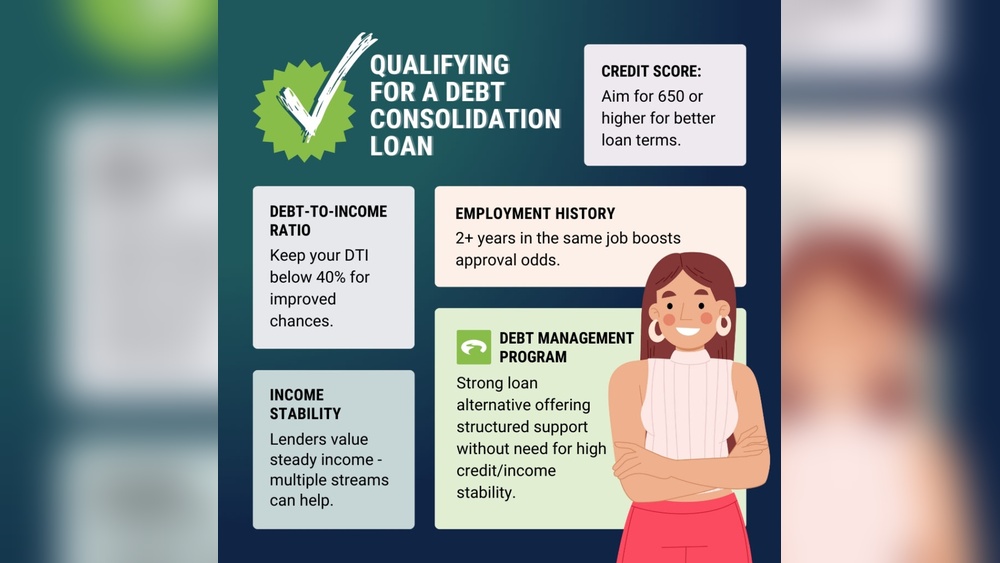
Debt consolidation loans combine several debts into one loan with a single monthly payment. It can lower interest rates and simplify payments. However, it requires good credit to get better loan terms and may extend repayment time.
Tips For Choosing The Right Plan
Check the agency’s reputation before choosing a debt management plan. Look for agencies with good reviews and accreditation. Trustworthy agencies are often nonprofit and have certified counselors. Avoid companies with many complaints or unclear information.
Read the terms and conditions carefully. Understand how the plan works, including payment schedules and interest rates. Some plans may have time limits or require you to stop using credit cards. Make sure you can meet all the requirements.
Watch out for hidden fees. Some agencies charge setup fees, monthly fees, or cancellation fees. Ask for a clear list of all costs before signing up. Free initial counseling is common, but ongoing fees vary. Choose a plan with transparent charges to avoid surprises.
Frequently Asked Questions
Is It Worth Getting A Debt Management Plan?
A debt management plan can reduce interest rates and simplify payments. It suits those struggling with multiple debts and seeking structured repayment. Consider fees and your financial goals before deciding. Consulting a nonprofit credit counselor helps determine if it fits your situation.
How To Pay Off $30,000 In Debt In 1 Year?
Create a strict budget, cut expenses, and increase income with side jobs. Prioritize high-interest debts and use the debt snowball or avalanche method. Avoid new debt and consider credit counseling or a debt management plan for support.
What Does Dave Ramsey Say About Debt Settlement Companies?
Dave Ramsey warns against debt settlement companies, citing high fees and credit damage. He recommends debt management plans and budgeting instead.
How Much Is The Payment On A $50,000 Consolidation Loan?
A $50,000 consolidation loan payment depends on the interest rate and loan term. Typically, monthly payments range from $900 to $1,500. Exact amounts vary by lender and credit profile. Use a loan calculator for precise figures based on your specific interest rate and repayment period.
Conclusion
A Debt Management Plan offers clear steps to reduce debt costs. Fees vary by agency and your financial situation. Nonprofit agencies often provide free counseling and may waive fees. These plans help manage payments and lower interest rates. Choosing the right plan can ease financial stress and improve your credit.
Consider your budget carefully before enrolling. A Debt Management Plan can be a useful tool for regaining control over your finances.
Read More
- Credit Card Consolidation Service: Simplify Debt and Save Today
- Secured Card Credit Building: Boost Your Score Fast and Safely
- Credit Dispute Removal Service: Boost Your Credit Score Fast
- Identity Theft Credit Protection: Essential Tips to Stay Secure
- Late Payment Removal Letter: Proven Tips to Boost Your Credit Score
- Credit Score Tracking App: Boost Your Financial Health Fast
- 0 Apr Credit Card Offers: Unlock Big Savings Today!
- Premium Travel Card Benefits: Unlock Exclusive Perks & Savings
- Debt Relief Program Quotes: Unlock Savings with Top Offers Today
- Credit Restoration Consultation: Boost Your Score Fast & Easy