Are collections dragging down your credit score and holding you back? You’re not alone, and the good news is there are clear steps you can take to remove collections from your credit report.
Whether the collection is a mistake, outdated, or a debt you’ve already paid off, understanding how to tackle it can make a huge difference in your financial future. This guide will show you practical, straightforward ways to clean up your credit report and regain control over your credit health.
Keep reading to discover how you can start removing collections and improve your credit today.

Check Your Credit Reports
Start by getting your credit reports from the three major credit bureaus: Equifax, Experian, and TransUnion. Each bureau may have different information, so check all of them carefully. Look for any collections listed on your reports.
Check if these collections are accurate and belong to you. Also, see if the information is up-to-date. Collections that are old or not yours can be disputed.
Keep a list of any errors or outdated collections. This will help you when you file disputes. You can send a letter or use the bureau’s online dispute system to fix these mistakes.
Dispute Incorrect Collections
To remove incorrect collections, start by filing formal disputes with the credit bureaus. This process helps correct any errors or outdated information on your credit report. First, gather all your credit reports from Equifax, Experian, and TransUnion. Carefully check each report for collections that are not yours or contain mistakes.
Next, send a dispute letter to each credit bureau that lists the incorrect collection. Include clear details about the error and any proof you have. Along with the dispute, send a verification request asking the bureau to confirm the debt with the collector. This forces them to prove the debt is valid.
Keep copies of all letters and responses. The credit bureau must investigate and respond within 30 days. If the collection cannot be verified, it must be removed from your credit report.
Negotiate With Collection Agencies
Lump-sum payment offers can help remove collections from credit reports. Collection agencies may accept a single payment for less than the total owed. This payment often leads to the removal of the collection account.
Debt settlement agreements allow negotiation of the debt amount. The debtor and agency agree on a reduced payoff. After payment, the agency might remove the collection record. This helps improve credit scores over time.
| Method | Description | Benefit |
|---|---|---|
| Lump-Sum Payment | Pay full or partial amount in one payment | Possible removal of collection from credit report |
| Debt Settlement | Negotiate reduced amount to pay | Debt cleared and collection may be removed |
Request Goodwill Deletions
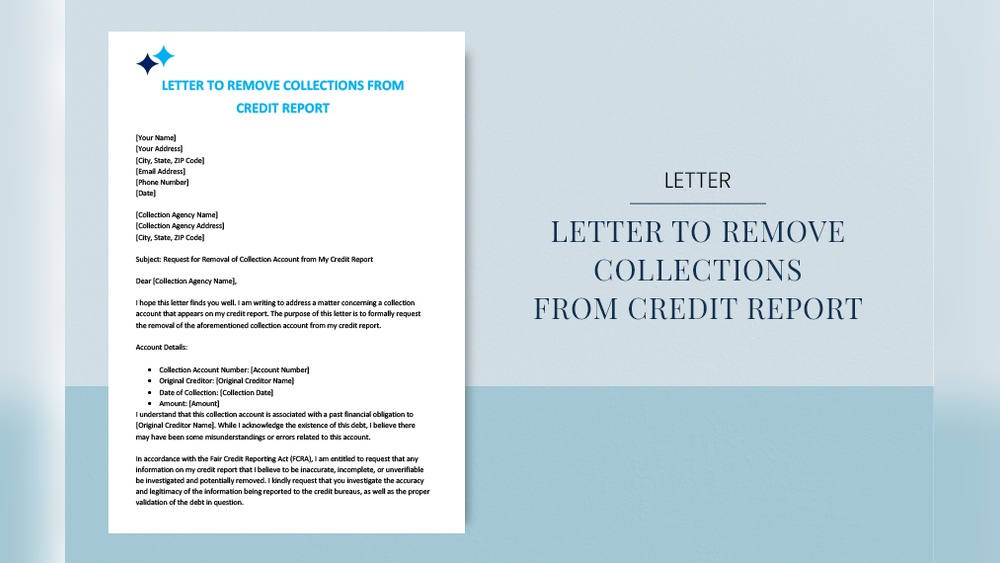
Write a personal explanation letter to request goodwill deletions. Describe your special circumstances clearly and honestly. Examples include medical emergencies, job loss, or other hardships. Keep the letter short and polite. Explain why the collection happened and why you deserve a deletion.
Make sure to highlight key details. Show that you have been responsible since the incident. Mention any steps taken to pay the debt or improve your credit. A sincere letter can increase your chances of success.
Use Time-based Removal Strategies
Collections typically stay on credit reports for up to seven years. This period varies by state and type of debt. After the statute of limitations ends, collectors cannot sue to collect the debt. This also means the collection should no longer appear on your credit report.
Each state has different laws for the statute of limitations. Usually, it ranges from three to six years. Keep track of when the debt was first reported. Once the time passes, the collection should automatically fall off your report.
Waiting for collections to expire can improve your credit score over time. Patience is key. Avoid paying or acknowledging old debts that are past this limit. Doing so might reset the clock and keep the collection longer on your report.
Leverage Legal Loopholes
Start by checking your credit reports from Equifax, Experian, and TransUnion. Look for any errors or wrong details in collections. Mistakes like wrong amounts, wrong dates, or debts that are not yours can be challenged.
Send a dispute letter to the credit bureau if you find incorrect info. Ask them to verify the debt. Credit bureaus must investigate and remove unverified collections.
For debts that are correct and yours, try negotiating with the collection agency. Some may agree to remove the collection after you pay a lump sum or settle the debt.
Write a goodwill letter to the creditor if you have already paid. Explain your situation, like job loss or illness, and politely request removal of the collection as a favor.
Maintain Credit Health After Removal
Check your credit reports often from all three major bureaus. This helps catch any new issues fast. Use free services or the official websites for updates. Spotting errors early keeps your credit healthy.
Pay bills on time and keep balances low. This shows lenders you handle credit responsibly. Avoid opening too many accounts at once. Consistent good habits boost your credit score.
Keep old credit cards open if possible. Length of credit history matters. Use credit cards for small purchases and pay off the balance each month. This builds a positive payment record.
Limit new credit applications. Too many inquiries can lower your score. Be patient and plan your credit use carefully.

:max_bytes(150000):strip_icc()/remove-debt-collections-from-your-credit-report-960376_FINAL-5ae6517517024613885ec46df1e58ecd.png)
Frequently Asked Questions
Can I Remove Collections Off My Credit Report?
You can remove collections by disputing errors, negotiating pay-for-delete with collectors, or requesting goodwill deletions after payment.
Can I Have A 700 Credit Score With Collections?
Yes, a 700 credit score is possible with collections if other credit factors remain strong and payments are timely.
Is It Better To Pay Off A Collection Or Have It Removed?
Paying off a collection improves your credit but may not remove it. Negotiating removal can boost your score faster if the agency agrees.
What Is A Legal Loophole To Remove Collections From A Credit Report?
A legal loophole involves disputing inaccurate or outdated collection entries with credit bureaus. Legitimate errors must be verified and removed.
Conclusion
Removing collections from your credit report takes patience and effort. Start by checking your credit reports carefully for errors. Dispute any wrong or outdated information you find. If the debt is accurate, try negotiating with the collection agency for removal in exchange for payment.
You can also request a goodwill deletion by explaining your situation politely. Remember, collections usually stay on your report for seven years. Stay persistent and keep your credit goals in mind. Small steps can lead to better credit over time.
Keep tracking your progress and stay informed.
Read More
- Debt Management Plan Cost: What You Need to Know Today
- Credit Card Consolidation Service: Simplify Debt and Save Today
- Secured Card Credit Building: Boost Your Score Fast and Safely
- Credit Dispute Removal Service: Boost Your Credit Score Fast
- Identity Theft Credit Protection: Essential Tips to Stay Secure
- Late Payment Removal Letter: Proven Tips to Boost Your Credit Score
- Credit Score Tracking App: Boost Your Financial Health Fast
- 0 Apr Credit Card Offers: Unlock Big Savings Today!
- Premium Travel Card Benefits: Unlock Exclusive Perks & Savings
- Debt Relief Program Quotes: Unlock Savings with Top Offers Today