If you’ve ever checked your credit report, you know how important it is for your financial health. But what if you spot a mistake?
An error on your credit report can hurt your credit score, making it harder to get loans, credit cards, or even rent an apartment. That’s where the Credit Bureau Dispute Guide comes in. This guide will show you exactly how to challenge those errors and protect your credit.
You’ll learn simple, step-by-step actions to take, what documents you need, and how to follow up until your report is accurate. Don’t let incorrect information hold you back—take control of your credit today by reading on.
Credit Report Basics
A credit bureau is a company that collects information about your borrowing and payment history. They create credit reports that lenders use to decide if they will lend you money.
Credit reports affect your ability to get loans, credit cards, or even rent a home. A good report can help you get better interest rates. A bad report may make borrowing harder or more expensive.
Common errors on credit reports include wrong personal details, accounts that don’t belong to you, or incorrect payment statuses. These mistakes can lower your credit score unfairly.
Checking your credit report regularly helps catch errors early. You can file a dispute to fix wrong information. This can improve your credit and save money in the future.
Preparing To Dispute
Start by getting your credit reports from the three main bureaus: Equifax, Experian, and TransUnion. You can get these reports for free once a year at AnnualCreditReport.com. Check each report carefully for any incorrect or outdated information.
Look for things like wrong personal details, accounts that do not belong to you, or payments marked late that were actually on time. Spotting these errors is the first step to fixing your credit.
Collect all documents that support your claim. These might include bank statements, payment receipts, or letters from lenders. Keep copies of everything; you will need them when you file your dispute.
Dispute Methods
The online dispute process is quick and simple. Visit the credit bureau’s website and fill out the dispute form. Upload any supporting documents that prove your claim. Keep a copy of your submission for your records. This method saves time and allows easy tracking of your dispute status.
Disputing by mail requires sending a dispute letter to the credit bureau. Include a clear explanation of the error and copies of proof documents. Use certified mail to confirm the bureau received your dispute. This method takes longer but is useful if you prefer paper communication.
Phone dispute options let you call the credit bureau directly. Be ready with your personal information and details about the error. Take notes of the conversation and the representative’s name. Phone disputes may be faster but offer less paper trail than online or mail methods.
Writing A Dispute Letter
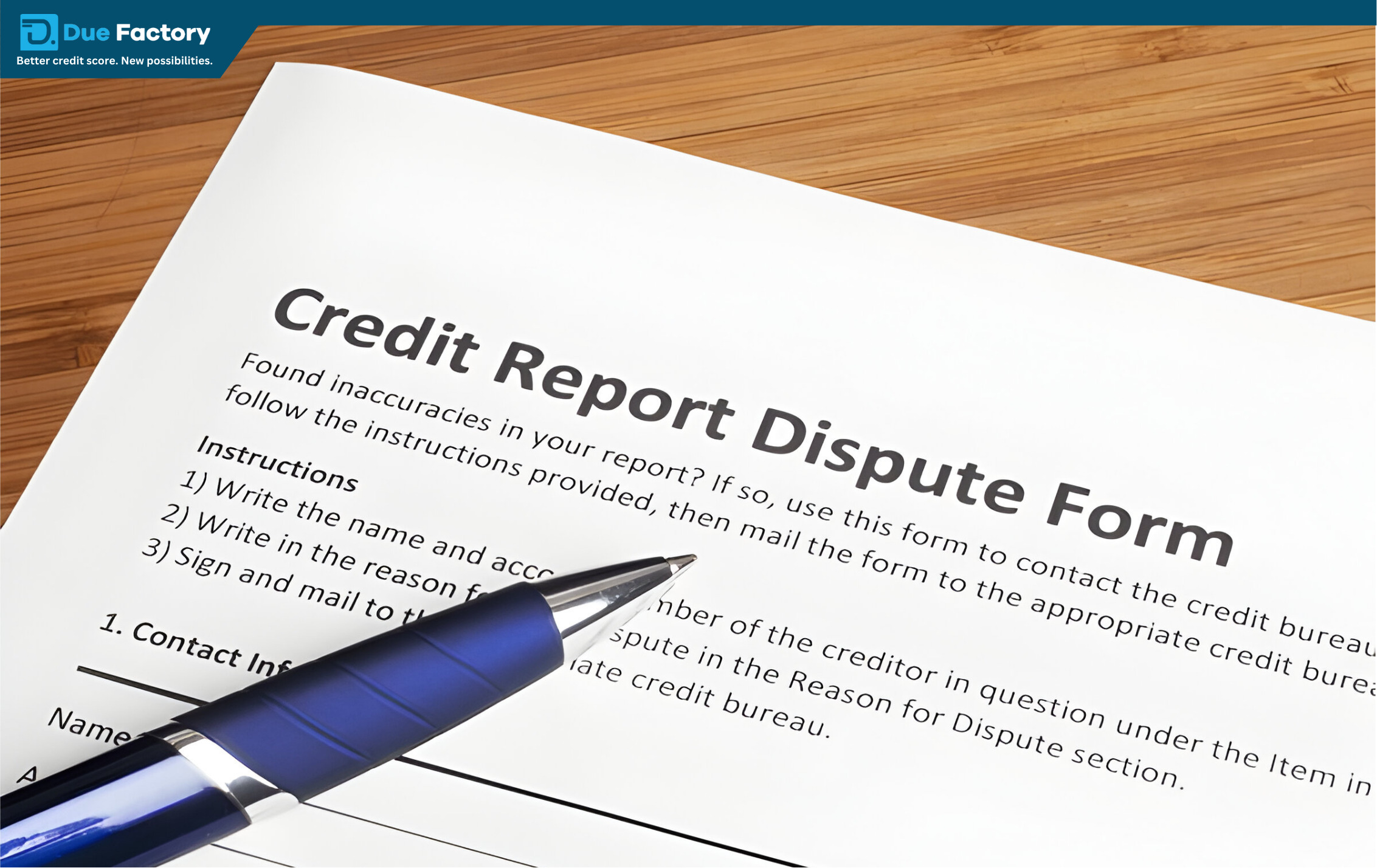
Key Elements to Include in a dispute letter are your full name, address, and contact information. Clearly state which item on your credit report is wrong. Explain why you think the information is incorrect in simple words. Add copies of any documents that support your claim. Ask the credit bureau to fix or remove the error. Keep your tone polite and firm. Include your signature at the end. Mention the date of the letter.
Sample Dispute Letter Templates usually follow a simple format:
| Section | Content |
|---|---|
| Introduction | State your purpose for writing and identify the wrong item. |
| Explanation | Briefly explain why the information is incorrect. |
| Supporting Documents | List any attached documents that prove your claim. |
| Request | Ask for correction or removal of the error. |
| Closing | Thank the reader and provide your contact info. |
Tips for Effective Communication include using simple words and short sentences. Stay polite and avoid blaming anyone. Send your letter by certified mail for proof. Keep copies of all letters and documents. Follow up if you don’t hear back in 30 days. Clear and respectful communication helps fix errors faster.
What Happens After You File
After filing a dispute, the credit bureau begins an investigation. This usually takes about 30 days. They contact the company that reported the information. The company must check their records and respond. If they find the information is wrong, they must fix it.
The credit bureau then updates your credit report. They also send you the results of the investigation. If the dispute is valid, the error is removed or corrected. If not, the information stays on your report.
It is important to check the results carefully. Make sure the error is fixed. If you still see a problem, you can file another dispute or add a statement to your report.

Handling Dispute Outcomes
Correcting errors on a credit report starts with reviewing the report carefully. Mark every mistake clearly. Send a dispute letter with proof to the credit bureau. They must investigate within 30 days. If the error is confirmed, it will be fixed or removed.
If a dispute is denied, check the bureau’s explanation. Sometimes, more proof is needed. You can add a statement to your report explaining your side. Keep trying if you believe the mistake is serious.
Next steps to improve credit include paying bills on time and reducing debt. Check reports regularly for new errors. Use credit wisely and avoid applying for many new accounts quickly. Over time, good habits help raise your credit score.
Expert Tips To Speed Up Fixes
Keep all your documents in one place. Use folders or binders to store letters, receipts, and dispute forms. This helps you find things quickly and avoid losing important papers.
Make a list of all the disputes you file. Track dates and responses from credit bureaus. Write notes about phone calls or emails. This shows you are serious and organized.
Avoid common mistakes like sending incomplete information. Always include copies of proof, not originals. Use clear and polite language in your letters. Don’t miss deadlines for replies.
| Task | Tip |
|---|---|
| Organize Documents | Use folders or binders to keep all papers safe. |
| Track Disputes | Write down dates and responses to stay updated. |
| Submit Proof | Include copies of bills or letters that support your claim. |
| Write Clearly | Use simple, polite language; avoid missing deadlines. |
Resources And Tools
Free credit report sites like AnnualCreditReport.com provide one free report yearly. These reports come from the three main credit bureaus: Equifax, Experian, and TransUnion. Checking your report regularly helps spot errors early.
Credit monitoring services track changes in your credit report. They send alerts if new accounts open or if scores change. Some services are free, while others charge a monthly fee. Use these tools to stay informed and catch issues fast.
| Where to Get Help | Details |
|---|---|
| Consumer Financial Protection Bureau (CFPB) | Offers guidance on disputes and your rights. |
| Federal Trade Commission (FTC) | Provides advice on fixing credit report mistakes. |
| Credit Bureaus | Equifax, Experian, and TransUnion handle disputes directly. |
Frequently Asked Questions
What Is A Credit Bureau Dispute?
A credit bureau dispute challenges errors on your credit report. You request the bureau to verify or correct inaccurate information. This helps improve your credit score and ensures your report reflects accurate financial history.
How Do I File A Credit Dispute?
You file a credit dispute by contacting the credit bureau in writing or online. Include details of the error and supporting documents. The bureau must investigate and respond, usually within 30 days.
What Errors Can I Dispute On My Report?
You can dispute errors like incorrect personal info, wrong accounts, outdated data, or fraudulent activity. Any inaccurate or incomplete information affecting your credit score qualifies for dispute.
How Long Does A Credit Dispute Take?
Credit bureaus typically resolve disputes within 30 days. They review your evidence, verify information with creditors, and update your report if errors exist.
Conclusion
Disputing errors on your credit report can improve your financial health. Start by reviewing your report carefully and gathering proof of mistakes. Write a clear dispute letter to the credit bureau with your evidence. Keep track of all communications and responses you receive.
Correcting errors takes time but is worth the effort. A clean credit report opens doors to better loans and rates. Stay patient and persistent throughout the process. Taking these steps helps protect your credit and your future.
Read More
- Debt Management Plan Cost: What You Need to Know Today
- Credit Card Consolidation Service: Simplify Debt and Save Today
- Secured Card Credit Building: Boost Your Score Fast and Safely
- Credit Dispute Removal Service: Boost Your Credit Score Fast
- Identity Theft Credit Protection: Essential Tips to Stay Secure
- Late Payment Removal Letter: Proven Tips to Boost Your Credit Score
- Credit Score Tracking App: Boost Your Financial Health Fast
- 0 Apr Credit Card Offers: Unlock Big Savings Today!
- Premium Travel Card Benefits: Unlock Exclusive Perks & Savings
- Debt Relief Program Quotes: Unlock Savings with Top Offers Today